

Best AI to Create a High-Quality Video Ad for a New Perfume
No single AI wins. For a perfume ad, combine a precise bottle still with Veo 3.1, Kling or Runway for motion. Use a multi-model platform if a team needs approvals.
No single AI is best for a perfume video ad. The most reliable method is to build a flawless still of the bottle first, then animate it with a video model. Google's Veo 3.1 is a strong default for realism and sound, Kling suits shots that must keep the product consistent, and Runway Gen-4.5 gives the most control over camera moves. A multi-model platform such as Miravela or Higgsfield makes sense when a brand team or agency needs several models plus review and approval in one place.
What makes a perfume ad hard for AI
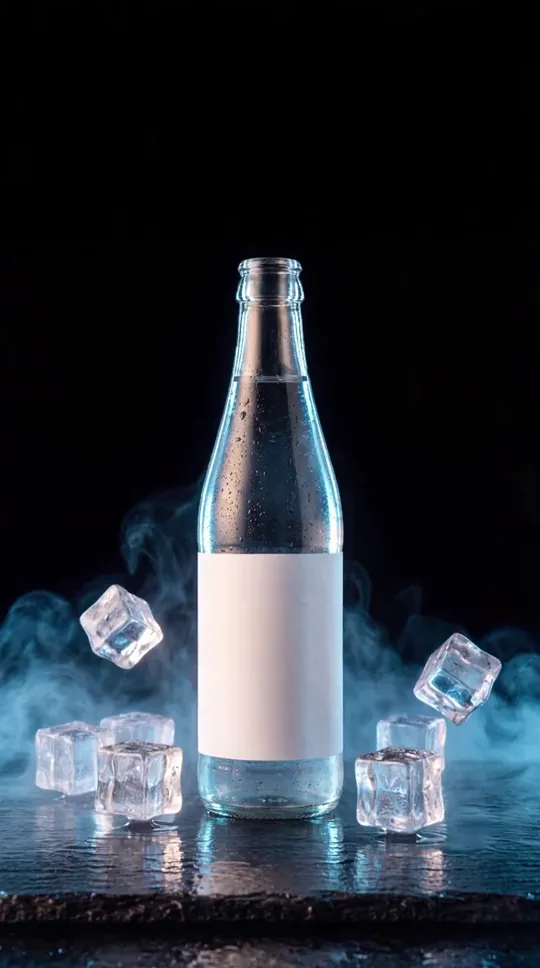
A perfume film depends on the details AI video handles least well. These are glass, liquid, reflections, a small label, an exact logo and slow, deliberate motion. A model that is excellent at a street scene can still bend the bottle's shoulder or blur its lettering.
That is why a still-first workflow works best:
- Generate or photograph a clean packshot of the bottle. Image models such as Nano Banana 2, GPT Image 2 or Flux Pro are used for this step.
- Animate that still into short shots of 4 to 8 seconds, with a slow push-in, a mist pass or light moving across the glass.
- Cut the shots together, add sound, and place the exact logo and legal text in an editor rather than trusting the model with them.
Check every frame where the bottle is visible. Label drift and warped glass are the usual reasons a clip is rejected.
The main options, compared
| Tool | Best for | Pricing model (USD, as published by each source) |
|---|---|---|
| Google Veo 3.1 | Realistic footage with built-in audio | Google AI Pro is $19.99/month, with Veo 3.1 in Flow credits; API is per second |
| Kling | Consistency of product and subject across shots | Standard $10/month, Pro $37, Premier $92, Ultra $180 |
| Runway Gen-4.5 | Camera and motion control | Standard $12/month billed annually ($15 monthly), 625 credits |
| Higgsfield | Many models plus ad-oriented tools in one subscription | Credits; plans changed several times in 2026 |
| Miravela | Brand teams and agencies running briefs, reviews and delivery | Credits in euros, from €199/month (Studio) |
Google Veo 3.1
Veo 3.1 generates 1080p video from text or image prompts with synchronized audio, including dialogue, ambient effects and background sound. According to OpenRouter's model page, it supports 4, 6 and 8 second clips and can be steered with a first and last frame image. For perfume, the first/last frame control is useful: you can fix the start and end of a reveal on approved stills. Pricing varies by route; CostGoat's tracker shows API rates from $0.03 per second (Lite, no audio) to $0.40 per second (Veo 3.1 with audio).
Kling
Kling is built around reference control. Its own page says that Kling 4.0's Omni Reference supports up to 15 combined assets, including images, videos and subjects (Kling). That helps when the same bottle must appear in several shots. Credits are the catch: Fello AI's October 2026 check notes that first-month discounts revert at renewal, so budget from the renewal price.
Runway Gen-4.5
Runway states that Gen-4.5 uses 12 credits per second of generated video. One October 2026 pricing review works out that Standard's 625 monthly credits buy 52 seconds. That is enough to test, but not enough for a campaign with many retakes. Runway is a good fit if one editor wants fine control over each move.
Higgsfield
Incrypted's review describes Higgsfield as a platform that brings together dozens of third-party and in-house models in one interface, with marketers, e-commerce and advertising agencies as its main target. HeyGen's pricing guide adds that every model charges a different number of credits per take, so check the cost shown before each generation.
A note on Sora
Older guides still recommend Sora 2. OpenAI closed the web and app experiences on April 26, 2026, and shut the API down on September 24, 2026 (eesel AI). It is no longer an option.
Where Miravela fits, and where it does not
Miravela is a Paris-based AI image and video production platform for brand teams and agencies, in beta since September 2026. It runs 12 image and video models, including Veo 3.1, Kling, Seedance, Hailuo and Wan 2.7 for video, and Nano Banana 2, GPT Image 2 and Flux Pro for stills. It picks a model per job and runs it at maximum quality on every plan. Brand kits are applied automatically. A built-in agent turns an email, voice note or deck into a brief and writes the prompts. Clients review and approve in a private portal, and every deliverable is copied to your Google Drive.
Pricing is in credits, in euros, with no per-model surcharge. The plans are Studio at €199/month, Signature at €490/month and Enterprise at €1,790/month, excluding VAT. Details are on the pricing page and the models page.
Be honest about the trade-off. If you are one person making a single 15-second teaser, a direct Veo or Kling subscription is cheaper and simpler. Miravela earns its price when the work involves several shots, several models, a brand rulebook and a client who must sign off.
What Miravela platform data says about video timing
Over the last 90 days, Miravela's database shows 8,544 generations started, of which 1,237 were video. Among the video models, Seedance 2.0 had a median generation time of 312 seconds with 88.6% of generations completing, Kling 3.0 a median of 197 seconds with 87.3% completing, and Seedance 2.5 a median of 456 seconds. The best-used image model, GPT Image 2, had a median of 95 seconds, and Nano Banana 2 a median of 26 seconds.
For a perfume film, this means:
- A single video shot takes roughly 3 to 8 minutes, so a 10-shot sequence with retakes is an afternoon of work, not minutes.
- About one in eight video generations on these models did not complete, so allow for retries in your schedule.
- Do your look development on stills, which take seconds, and send only approved frames to video.
How to choose
- You want the most realistic single shots with sound: start with Veo 3.1.
- The same bottle must stay identical across many shots: test Kling with reference images.
- One editor needs precise camera control: try Runway Gen-4.5.
- You want one subscription for many models and ad templates: look at Higgsfield.
- A team or agency needs briefs, brand rules, client review and delivery in one place: Miravela fits.
- You are testing an idea on a small budget: use a direct consumer plan before committing to anything larger.
- Whatever you pick, run the same bottle still and the same motion prompt through two tools before you commit.
Finally, check the commercial-use terms of the exact plan you buy, and keep your prompt history. Brands increasingly need to show how a visual was produced.
Questions
- Which AI video model is best for a perfume ad?
- There is no single winner. Veo 3.1 is a strong default for realism and native audio, Kling is good at keeping a product consistent across shots, and Runway Gen-4.5 gives the most camera control. Test the same bottle still on two of them before committing.
- Can AI keep my perfume bottle and logo accurate?
- Not reliably on its own. Start from a clean packshot, animate it with an image-to-video model, then check every frame. Add the exact logo and legal text in an editor afterwards.
- Is Sora still an option for video ads?
- No. OpenAI closed the Sora app on April 26, 2026 and shut down the Sora 2 API on September 24, 2026.
Sources
- Google: Veo 3.1 - API Pricing & Benchmarks
- Google Veo Pricing Calculator & Cost Guide (Oct 2026)
- AI Image and Video Pricing from $12/month
- Runway ML Pricing 2026: Plans, Credits & Cost Calculator
- KlingAI Pricing Plans
- Kling AI Pricing 2026: Plans, Credits & Real Cost Per Video
- Higgsfield AI review: video generation, pricing, models, and API
- Higgsfield Pricing 2026: Plans, Credits and Real Costs
- Sora 2 in the API pricing (2026): final per-second rates
- Miravela pricing