

How luxury brands use AI for campaign visuals without looking fake
They extend human-directed shoots, keep people accountable for every final image, and pick a deliberate style instead of imitating photography.
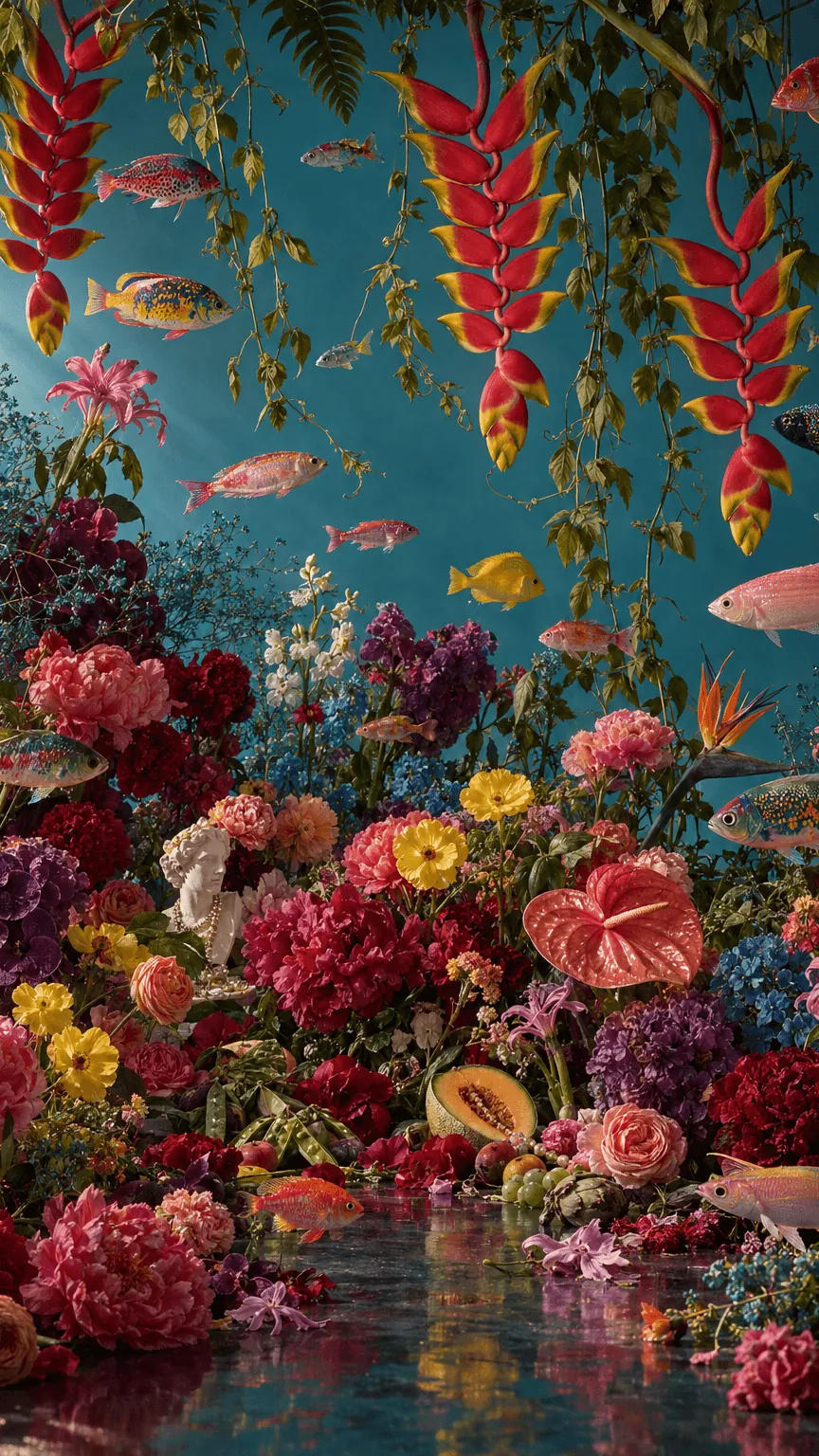
Luxury brands that avoid the artificial look mostly do three things. They use AI to extend or reinterpret work a human team has already art-directed, they keep a named person accountable for every final image, and they choose a deliberate visual style instead of imitating a photograph. The public failures of 2025 and 2026 were less about pixel quality than about a generated image standing in for visible craft.
What audiences actually react to
Valentino is the clearest case. In December 2025 it posted an AI video for its DeVain handbag, clearly labelled as AI, and drew hundreds of critical comments calling it cheap and lazy. Gucci's Milan Fashion Week images, labelled "Created with AI", were also called "AI slop" by many observers. In both cases the labelling was honest, and the reaction was hostile anyway.
Academic work points the same way. A study in the Journal of Advertising Research argues that AI-generated ad imagery is associated with lower perceived effort, so disclosed AI ads are judged as less authentic, but only when they promote luxury brands. There is a useful exception: when the AI visuals were highly creative and unique, beyond what traditional methods might achieve, the negative effect was significantly reduced. The practical reading is that "artificial" often means "low effort", not "low resolution".
What luxury brands do in practice
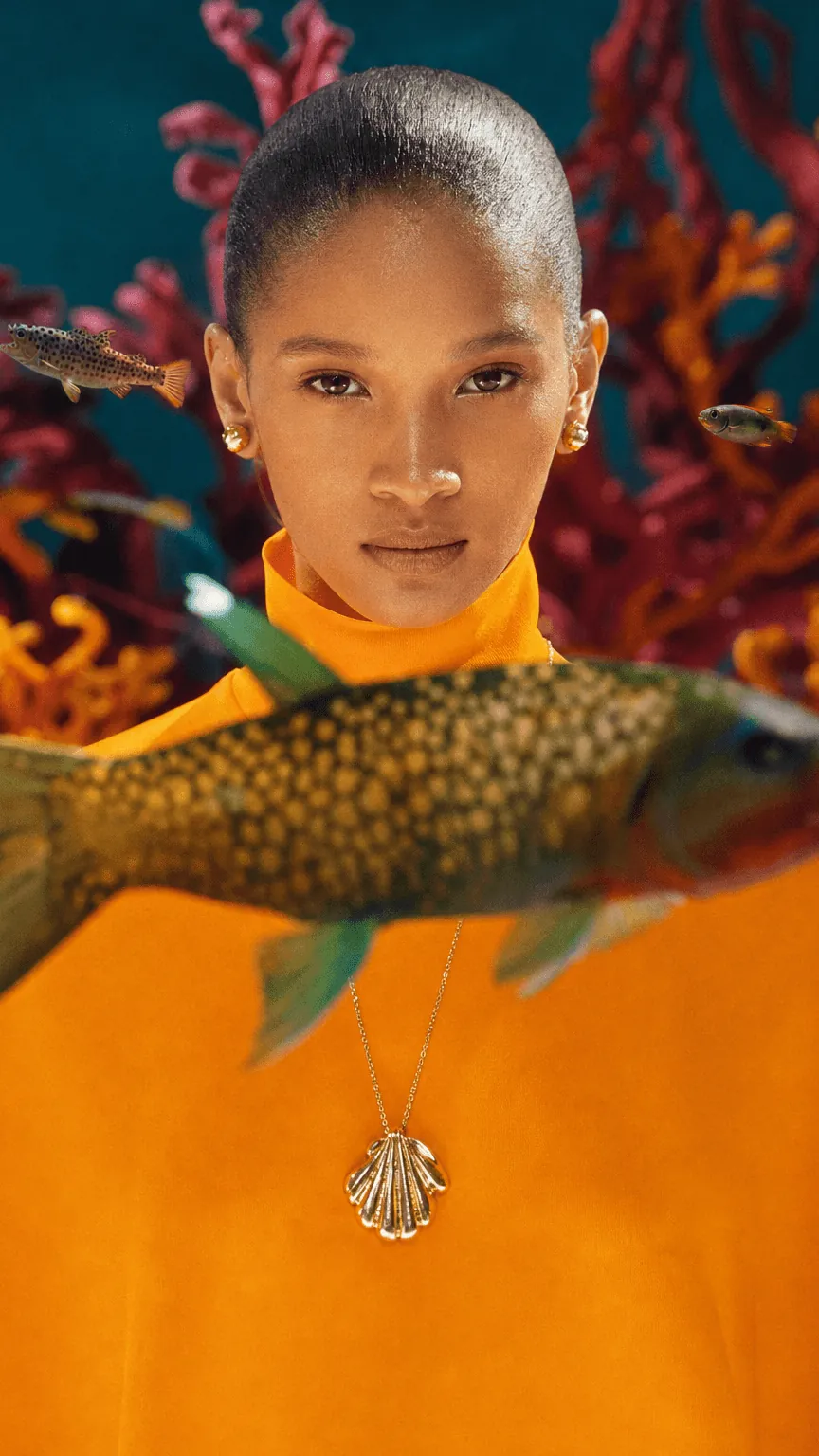
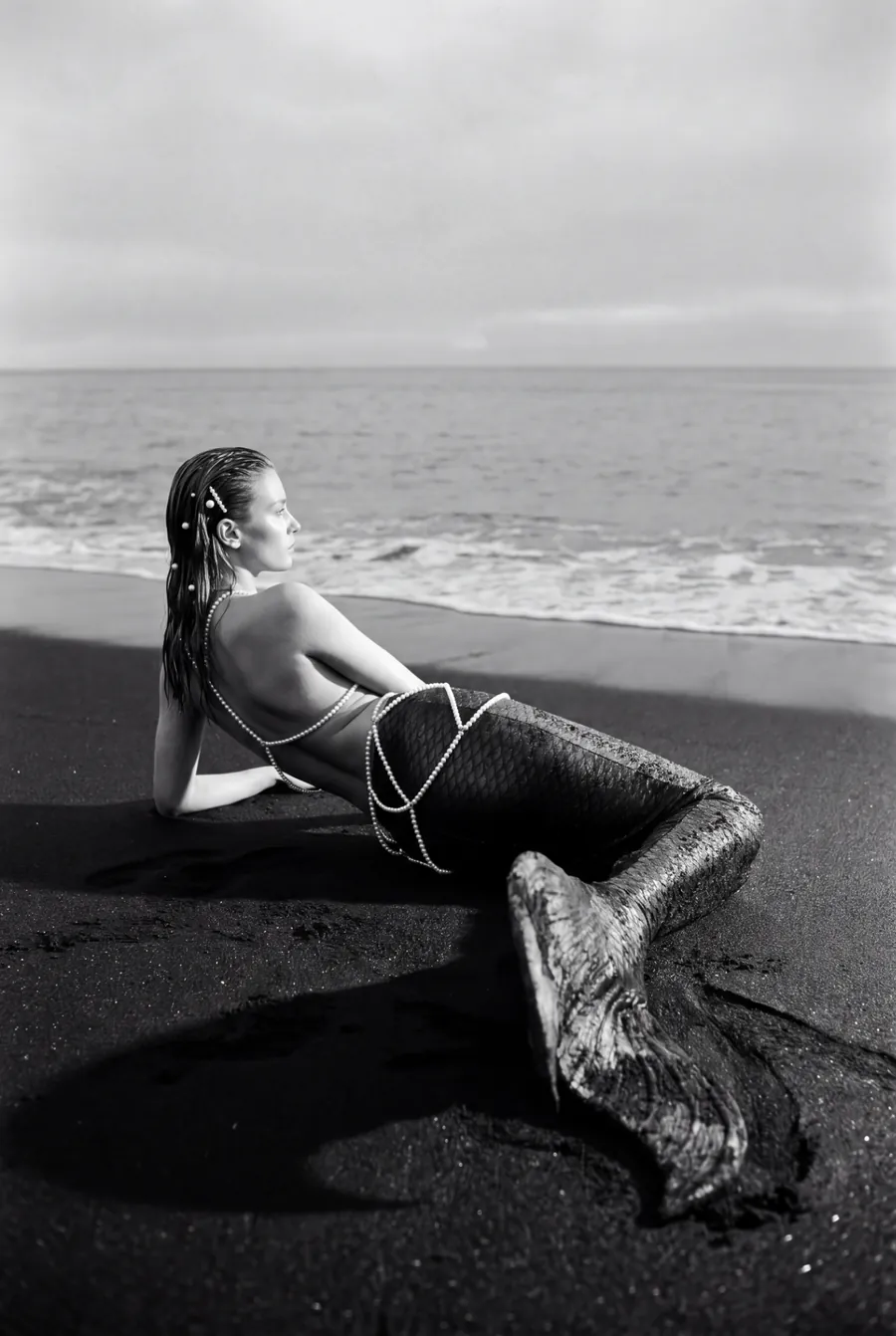
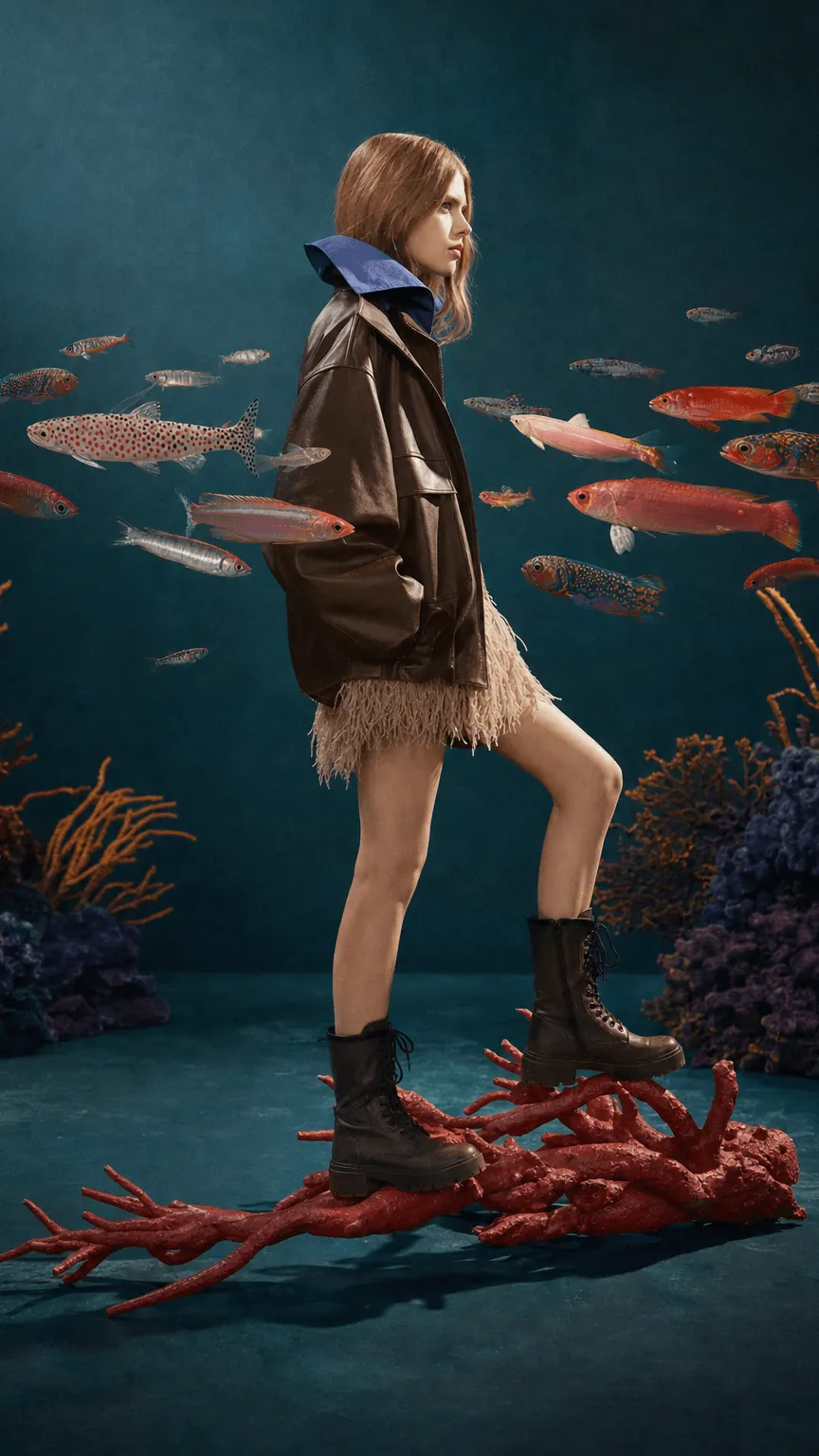
They treat AI as an add-on to a real shoot. A Berlin studio that has produced AI imagery for MCM and Peek & Cloppenburg told Glossy that most luxury clients use AI to extend existing shoots, and that for campaigns it is "almost always an add-on". The typical brief is a campaign already shot in real life, plus 10 or 20 matching assets for social or digital.
They animate or extend what they own. Burberry used AI to add movement to imagery from a 1980s campaign while keeping the core product imagery of its current campaign in conventional photography.
They go surreal on purpose. MCM used AI to create stylised, surreal environments as extensions of traditional campaigns. Nobody mistakes that for a failed photograph, because it never pretended to be one.
They keep video short and supervised. Product fidelity is the weak point of motion. The same studio said that AI video still struggles to keep the product accurate once movement is introduced, so the product can change or warp. That is why most luxury video work stays in short clips.
They put humans in the loop. When Mango produced AI-generated teen campaign imagery, its art directors still retouched and edited the outputs after generation. On disclosure, one 2026 analysis argues that the size and placement of the label shapes the reaction more than the AI itself, contrasting H&M's prominent watermark and paid human twins with Guess's easily missed fine print.
A workflow that avoids the artificial look
- Start from a brief and real references. Moodboards, past campaigns and product photography should drive the prompt, not generic style words. Generic prompts produce generic images.
- Decide what AI is for. Extensions, variations, archive animation and impossible sets are defensible. Replacing the hero shot of a craft-led house is where the backlash has landed.
- Match the model to the job. Some models are better at skin and fabric, others at text, others at motion. Using one model for everything is a common cause of sameness.
- Retouch and art-direct the output. Check logos, hands, hardware, stitching and cultural details. One practitioner guide recommends reviewing every asset for logos, anatomy and cultural sensitivity, because luxury consumers notice small mistakes.
- Plan disclosure before publishing. Decide the wording, size and placement in advance, not after the comments arrive.
- Keep a record. Who prompted, who selected, who retouched. It protects authorship claims and settles disputes with clients and talent.
Miravela platform data: what it implies for your schedule
These figures come from Miravela's own database, covering the last 90 days, aggregated, with no client named. Of 8,544 generations started, 7,307 were images and 1,237 were videos, so images make up about 86% of the work. Image models are quick: Nano Banana 2 has a median generation time of 26 seconds, and GPT Image 2 (the most used model, with 3,074 generations) has a median of 95 seconds and a 95.9% completion rate. Video is slower and less predictable: Seedance 2.0 has a median of 312 seconds and an 88.6% completion rate.
For a reader, that means two things. Image exploration is cheap enough to run many rounds of selection, which is how teams get away from the first, most generic output. Video needs a larger time buffer and a plan for retries, which fits the cautious approach luxury houses take with motion.
Tools compared
| Miravela | Adobe Firefly | Higgsfield | |
|---|---|---|---|
| Built for | Brand teams and agencies running campaigns from brief to client approval | Creative and marketing teams already in Adobe tools | Creators and teams who want many models and camera control |
| Models | 12 image and video models, chosen per job | Adobe's own commercially safe models plus partner models from Google, OpenAI, Runway and others | 15+ video models under one subscription with 70+ camera presets |
| Brand control | Brand kit (logos, colours, references, rules) applied automatically | Custom Models fine-tuned on your own assets; enterprise licence required | Soul ID for a reusable trained identity across compatible workflows |
| Review and delivery | Private client portals, approvals, copy to your Google Drive | Boards for team ideation, and integration with Photoshop and Premiere | Generation-focused |
| Pricing model | Credits in euros, no per-model surcharge: Studio €199/month, Signature €490/month, Enterprise €1,790/month, excl. VAT | Plans with generative credits for premium features, reset each billing cycle without rollover | Monthly credits (Starter 200, Plus 1,000, Ultra 3,000); cost depends on model, clip length and resolution |
Sources: Adobe Firefly, Firefly Custom Models, Firefly Boards overview, Higgsfield pricing, Higgsfield review, Higgsfield alternatives guide, Miravela pricing.
Where each fits:
- Adobe Firefly is the better choice if you need a model trained on your own approved assets and want IP indemnification on qualifying plans (terms apply) and Content Credentials that attach origin metadata to AI-generated files. Its bespoke Foundry models are available only to select enterprise customers.
- Higgsfield is the stronger pick when camera movement and character identity in short video clips are the point. One review notes that credits from packs expire 90 days after purchase, which matters for irregular volume. See also Miravela's comparison with Higgsfield.
- Miravela fits teams that want the whole chain in one place. It turns a brief into concepts and prompts, picks among 12 models, applies the brand kit, and sends selections to a private client portal where comments and approvals stay in the platform. It keeps an exportable prompt history for every visual, which helps document creative input. Data is hosted in the EU (Paris), and Miravela does not train models on client content. The models themselves run at their providers, and the platform has been in beta since September 2026. It applies a brand kit rather than a model trained on your archive.
How to choose
- Is the